Few foods carry as much pure nostalgia and soul as fresh, blistered herb kutabi.
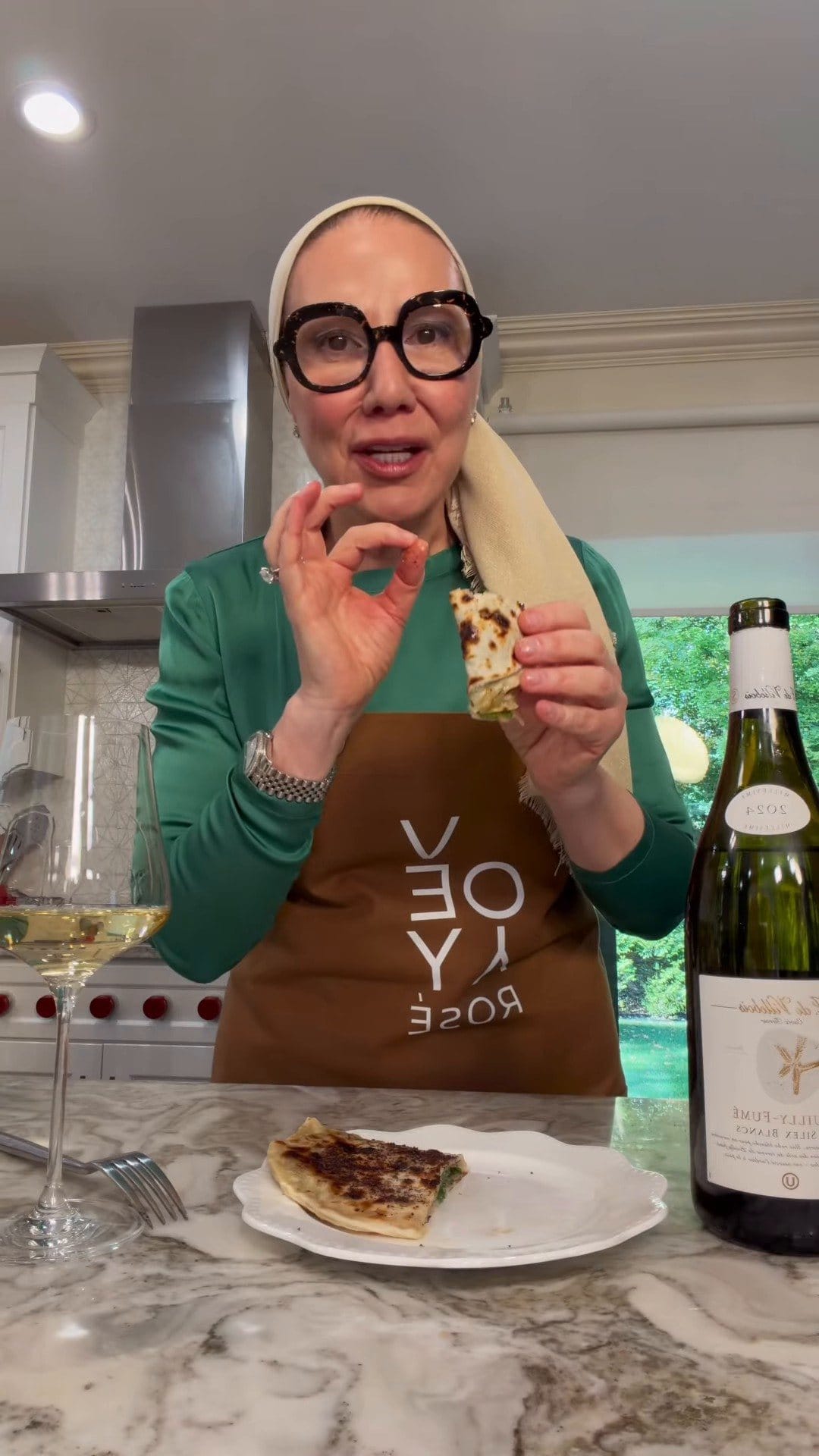
What wine goes with kutabi?
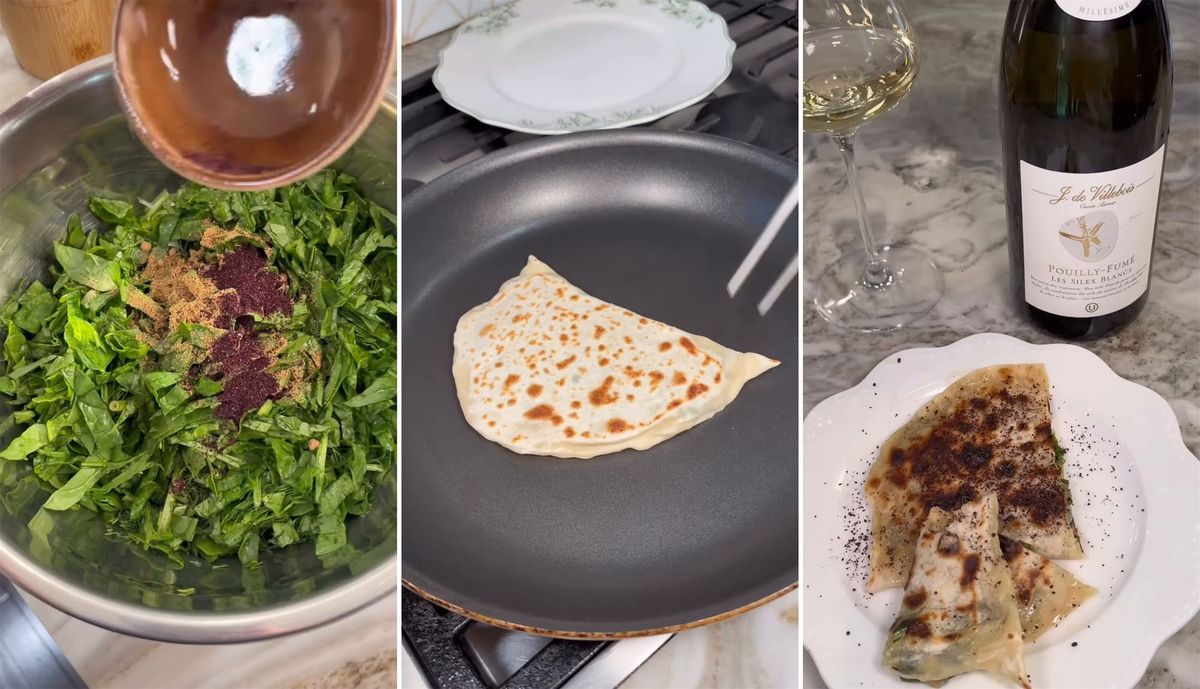
I pour J. de Villebois Pouilly-Fumé Les Silex Blancs, a bone-dry, flinty Sauvignon Blanc from France's Loire Valley. Its crisp acidity cuts through the melted butter, and its herbal, mineral notes match the fresh greens and sumac.
If you grew up with Caucasian and Central Asian street comfort like I did, you know the magic of these paper-thin flatbreads. They're crisp, tender and packed with a mountain of fresh green herbs, brightened with tangy sumac and lemon.
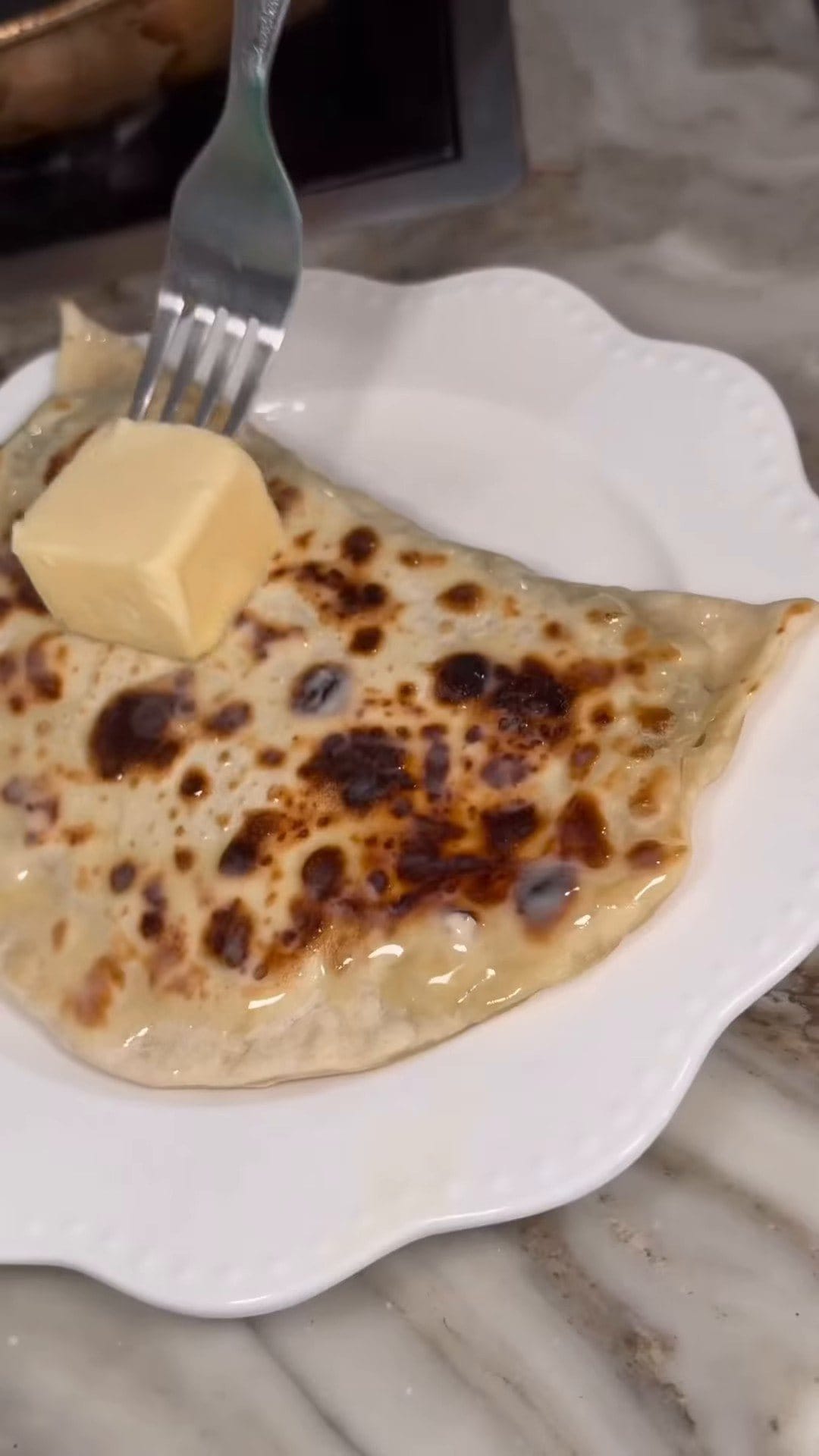
Sear them bone-dry in a screaming hot pan, brush them with melted butter while they're scorching hot, and finish with one more dusting of tart, crimson sumac. That contrast is everything!
And paired with a benchmark, mineral-driven Loire Valley white? It turns humble home comfort into a little celebration.
What Wine Goes with Kutabi?
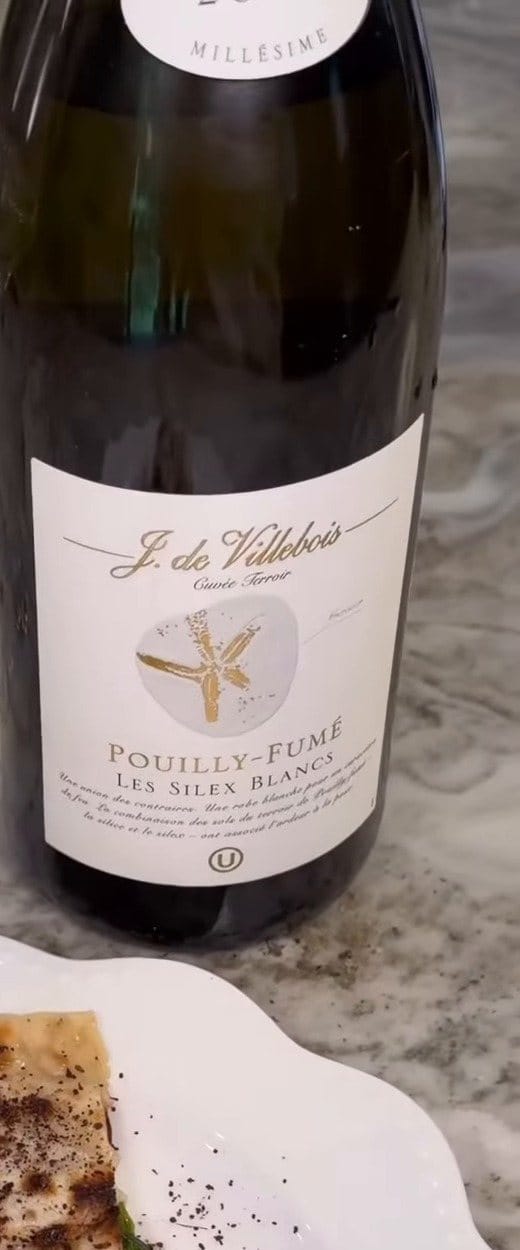
In my glass: J. de Villebois Pouilly-Fumé Les Silex Blancs 2024, a 100% Sauvignon Blanc from the Loire Valley in France. "Silex" is French for flint, the soil these vines grow in. Here's why it works so well with kutabi:
- Acid vs. butter. Cool-climate Loire Sauvignon Blanc has high, razor-sharp natural acidity (that mouth-watering freshness). It cuts straight through the melted butter and cleans your palate between bites.
- Herbs vs. herbs. Pouilly-Fumé has a naturally green, herbal side: gooseberry, fresh herbs, citrus leaf. It runs right alongside the dill, parsley and scallions inside the kutab.
- Minerality vs. sumac. The wine's flinty, chalky, slightly salty edge from those flint soils creates an electric dialogue with the tart sumac and lemon. It keeps the whole pairing vibrant, light and endlessly refreshing.
The pairing
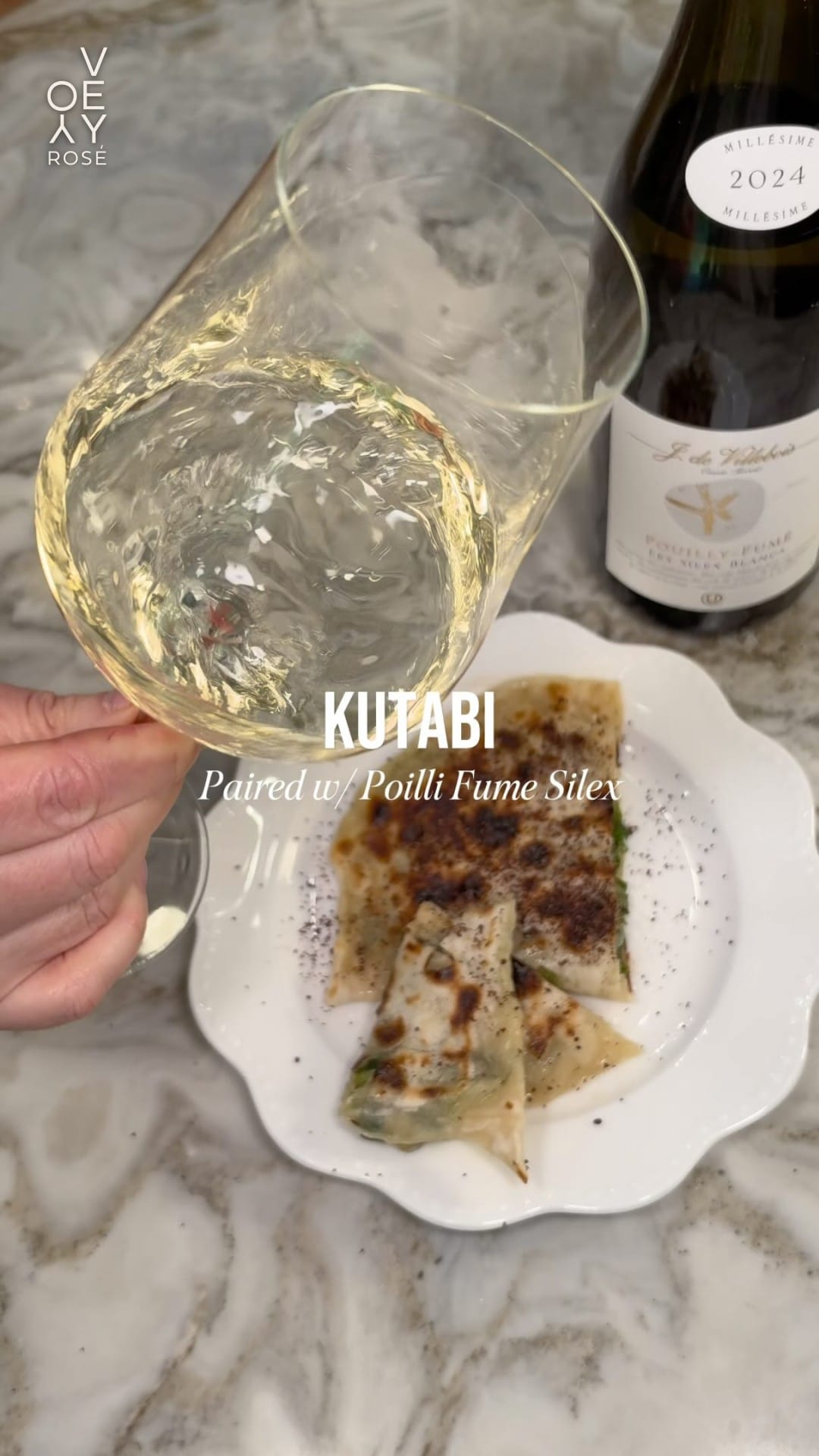
Crisp herb kutabi (gutab)&J. de Villebois Pouilly-Fumé Les Silex Blancs
Crisp acidity cuts the butter, the green, herbal notes echo the fresh greens, and flinty minerality sparks against the tart sumac.
Tasting notes
2024 · 100% Sauvignon Blanc · Pouilly-Fumé, Loire Valley, France
- Kosher OU
- Look
- Clear and bright pale lemon, with glistening green-gold flashes
- Nose
- Loud and very focused. White grapefruit rind and gooseberry, kaffir lime leaf and a hint of fresh tarragon. All of it rides on that classic gunflint smell (the French say pierre à fusil), with crushed chalk and wet slate underneath
- Taste
- Bone-dry and piercingly fresh, on the lighter side. Tart green apple skin, bitter lemon oil and wild herbs, then smoky, stony minerality. It's taut and full of energy, with a chalky feel on the tongue
- Finish
- Long, chiseled and mouth-wateringly salty
- Sweetnesshow sugary it tastesDry
- Aciditymouth-watering freshnessZingy
- Bodyweight on the tongueLight-medium
- Finishhow long the flavor lingersLong
Verdict A benchmark, mineral-driven Loire Valley white
In the kitchen
How to Make Crisp Herb Kutabi (Gutab)
Ingredients
For the dough
- 2 cups all-purpose flour
- ½ tsp fine sea salt
- 1 Tbsp neutral vegetable oil
- ¾ cup lukewarm water (adjust slightly if the dough feels dry)
For the filling
- 4 large bunches mixed fresh greens (scallions, cilantro, flat-leaf parsley, dill, and fresh spinach or sorrel)
- Juice of ½ lemon
- 1 tsp ground coriander
- 1 tsp ground sumac
- Coarse kosher salt and freshly cracked black pepper, to taste
To finish
- 3–4 Tbsp plant-based butter, melted
- Extra sumac, for dusting
Method
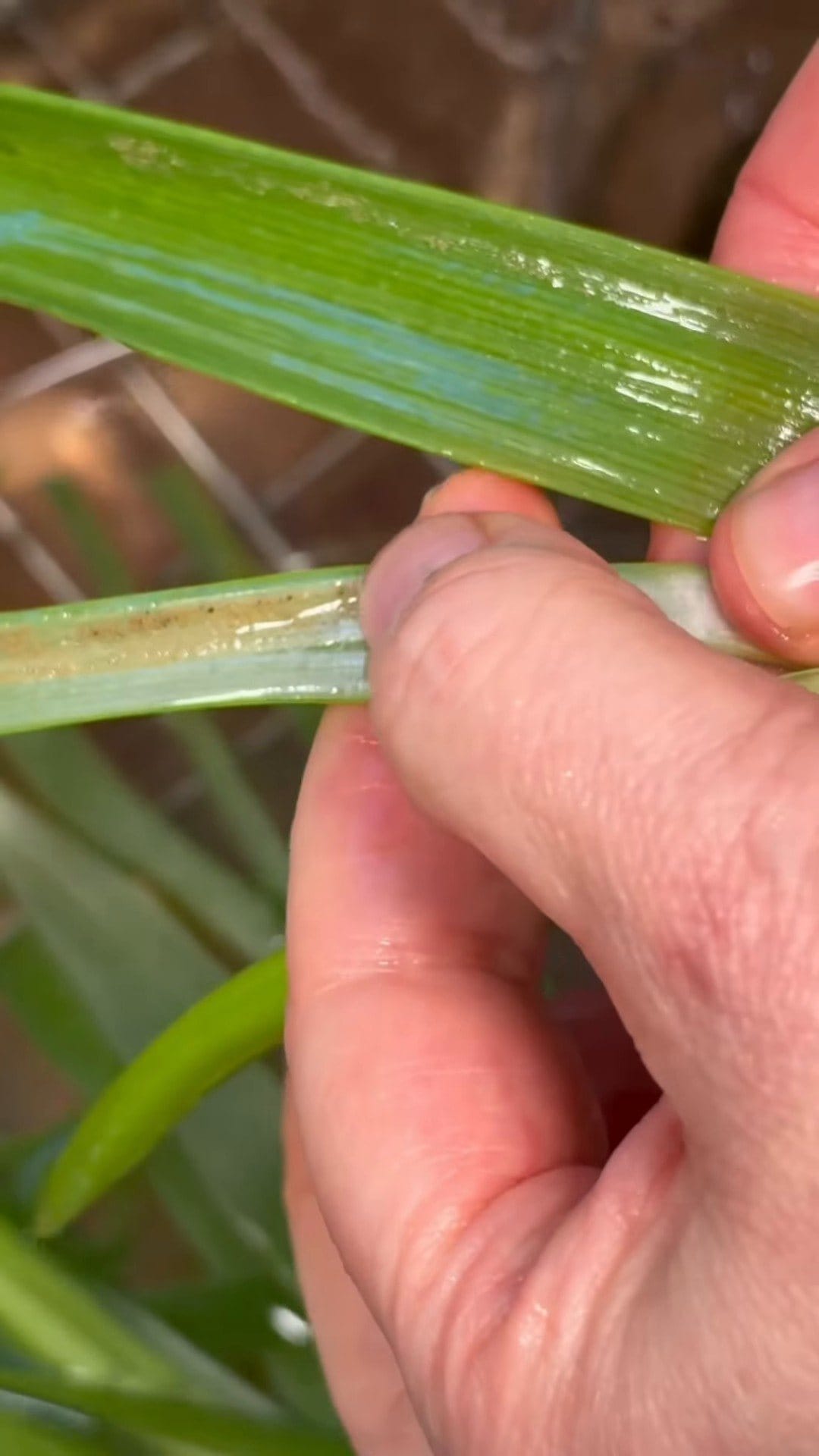
- Wash the greens. Submerge all the greens in cold water and rinse them thoroughly.
- Check every leaf. Inspect the greens leaf by leaf under a bright, direct light to make sure they're completely bug-free.
- Dry and chop. Spin or pat the greens completely dry with kitchen towels, since excess water makes the dough soggy. Then chop them finely.
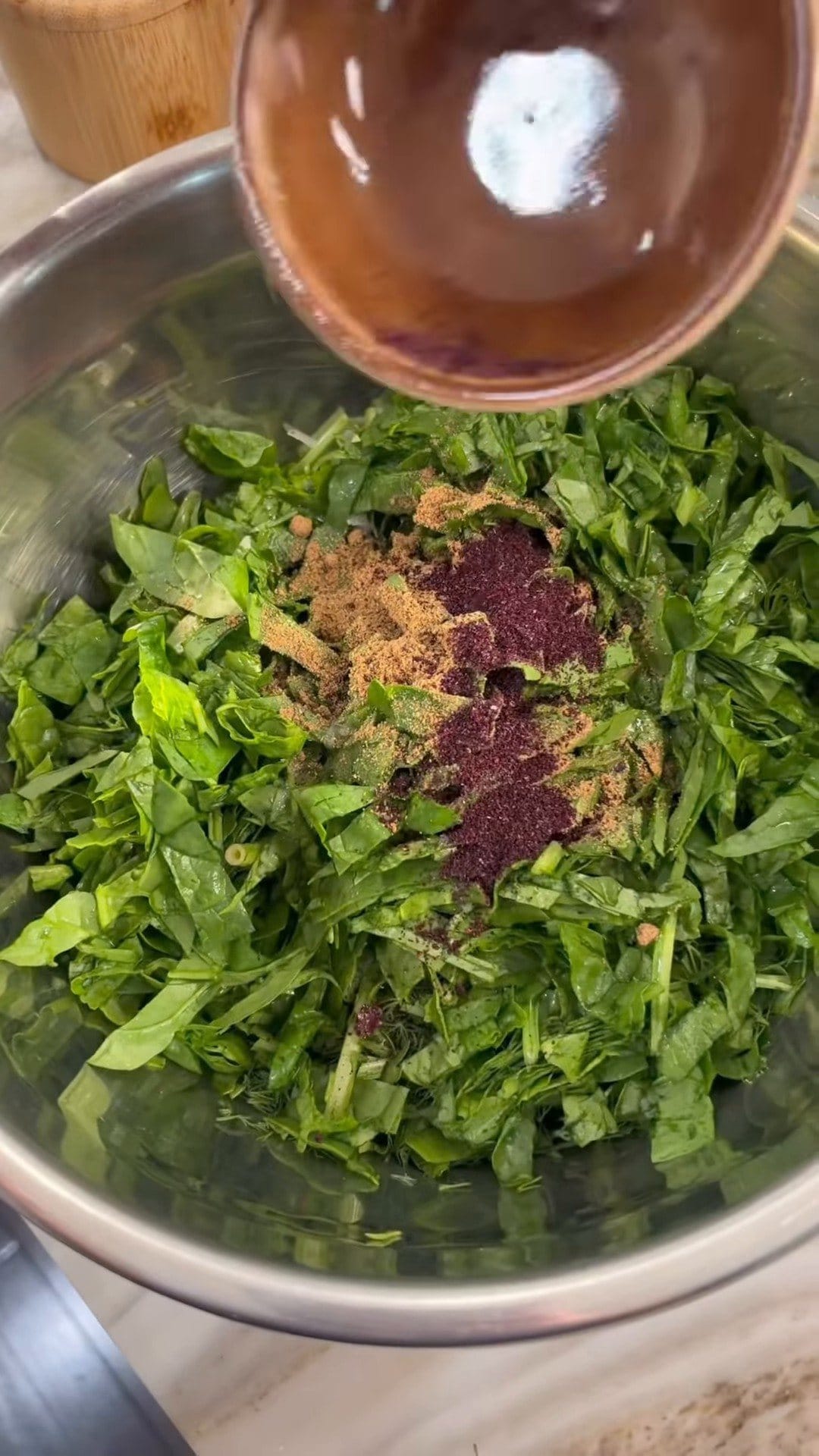
- Season the filling. In a large bowl, toss the chopped herbs with the lemon juice, coriander, sumac, salt and pepper. Taste and adjust: it should be vibrant, zesty and punchy.
- Mix the dough. In a separate bowl, whisk the flour and salt together, then add the oil and lukewarm water.
- Knead and rest. Knead for 4 to 5 minutes, until smooth and elastic. Cover with a clean towel and let it rest for 20 minutes at room temperature to relax the gluten.
- Roll. Divide the dough into small, golf-ball-sized portions. On a lightly floured surface, roll each one out paper-thin into an oval or circle.
- Fill. Heap a generous portion of the seasoned greens onto one half.
- Seal. Fold the other half over the filling into a neat half-moon. Press the edges firmly with your fingertips to seal completely, pressing out any trapped air.
- Dry sear. Heat a heavy cast-iron skillet or flat griddle over medium-high heat, with no oil. Cook the kutab for 1½ to 2 minutes per side, until puffed, blistered and charred with dark leopard spots.
- Finish. Transfer to a platter right away. Brush generously with melted butter while it's still steaming, dust with bright red sumac and serve piping hot.

More from my kitchen: my mother's parve Tashkent borscht with J. de Villebois Sancerre Rouge, from the same Loire producer, and sheet-pan everything-spice trout with a crisp Rimapere Sauvignon Blanc.
L'Chaim!