
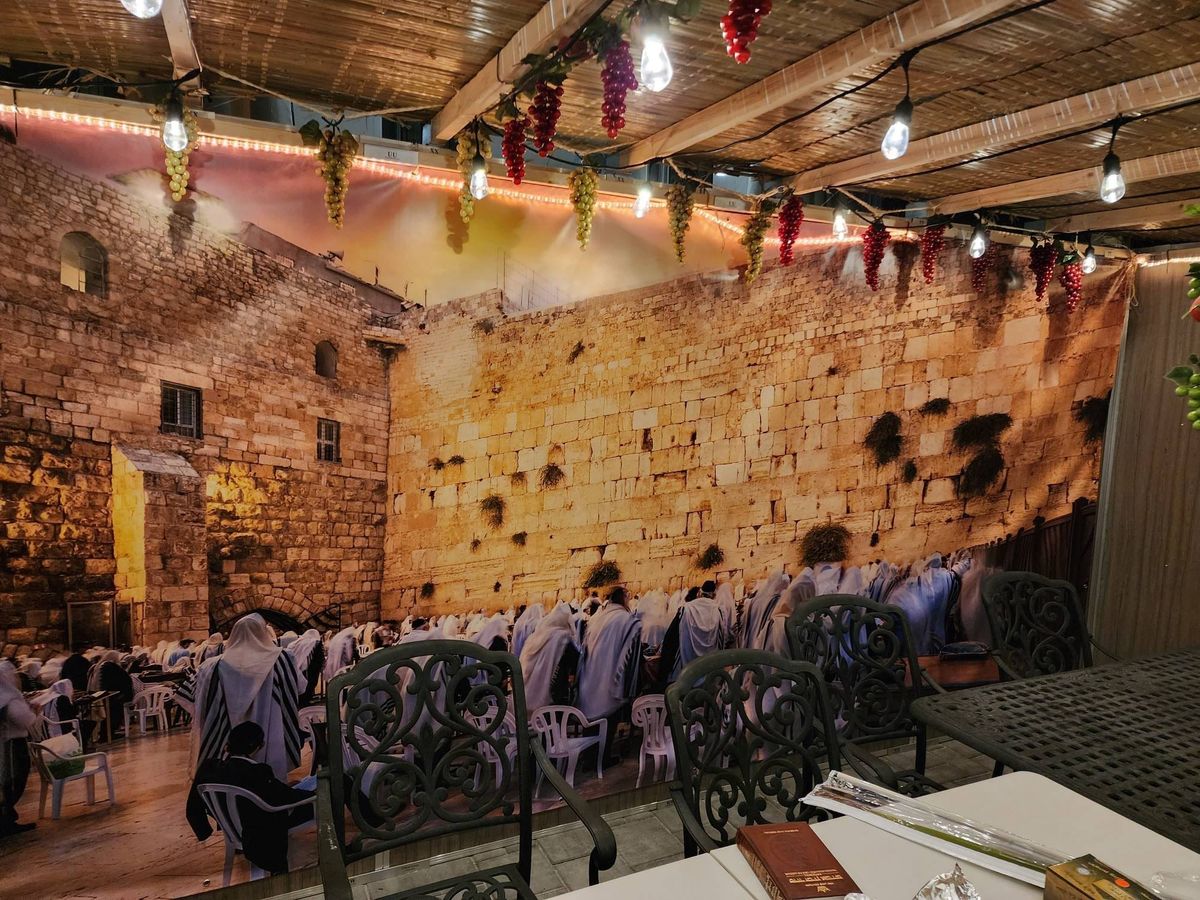
Look at the profound essence of Sukkot. We step outside our comfortable, permanent houses and transition into a fragile, temporary structure.
Quick answer
Pour a complex, full-bodied red in the sukkah: blackberry, dark plum and warm baking spice. It's a wine worthy of the Ushpizin, the royal guests we welcome each night.
Sukkot marks the great autumn harvest. It celebrates the exact moment the final summer fruits are gathered from the fields. But above all, it honors the culmination of the grape crush.
This timing is deeply intentional. Wine pulses at the very heart of Sukkot. When you pour a stunning, premium glass in your sukkah, you are honoring the exact agricultural cycle the holiday was built upon. You are connecting directly to the soil.
But the symbolism runs so much deeper than agriculture.
As you sit outdoors, feeling the crisp autumn breeze rustling the schach (the leafy roof of your sukkah), look across your table. You are surrounded by your people. Your family. Your closest friends.

When you strip away the sturdy roof and dine under the stars, your perspective shifts entirely. You suddenly realize what holds true significance.
There is nothing but Hashem, family, and good wine, of course.
Each night, we welcome the Ushpizin, our seven spiritual guests: the greatest of our ancestors. You do not pour just anything for a king. Wine is the historic beverage of royalty, and we honor their presence with the best wine!
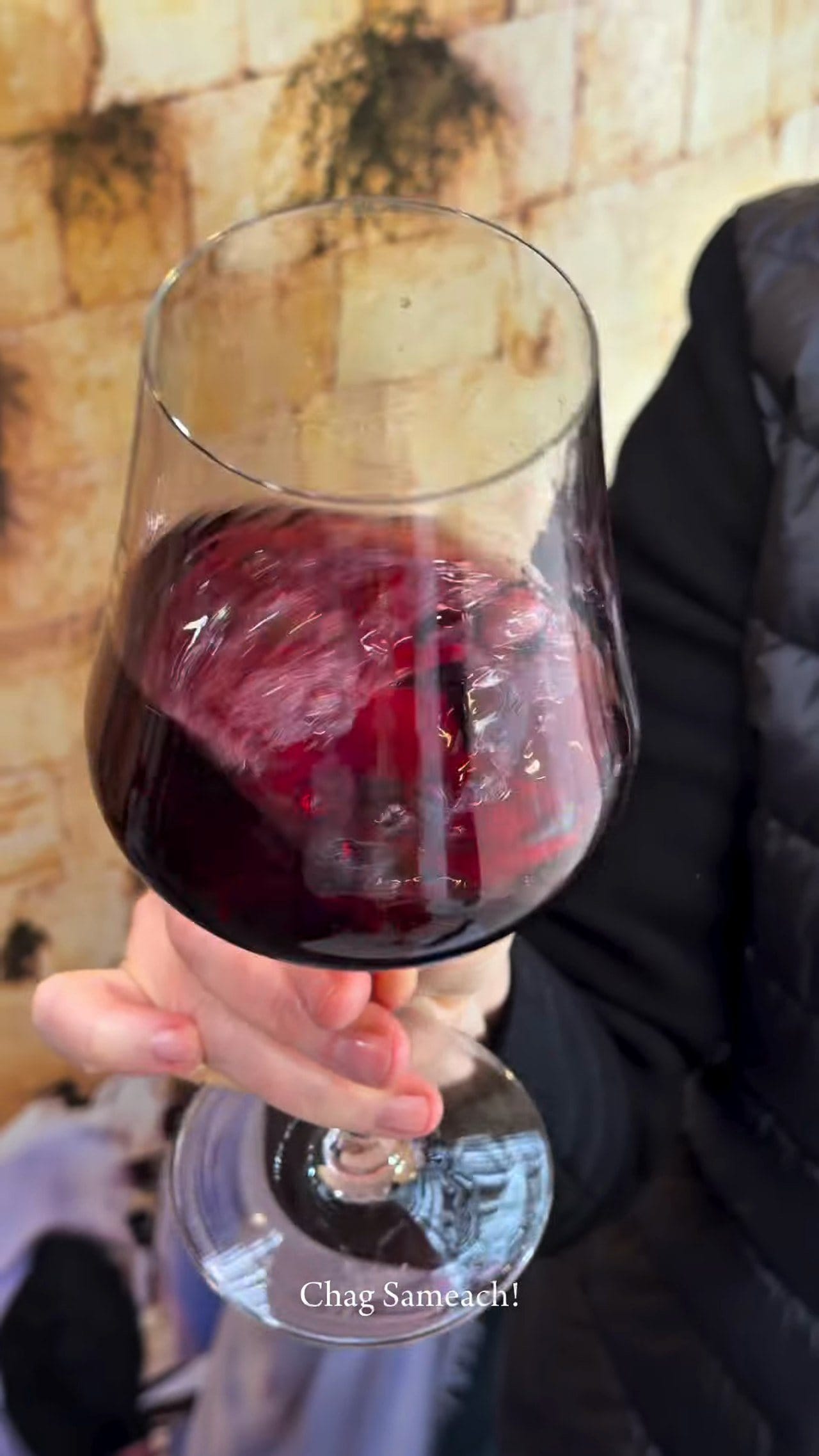
What wine should you pour on Sukkot?
Pour a complex, full-bodied red. Let the expressions of crushed blackberries, dark plum, and warm baking spices wrap around you in the crisp evening air.
It makes every moment pop.
The pairing
Dinner in the sukkah&A complex, full-bodied red
Crushed blackberries, dark plum and warm baking spices, wrapped around you in the crisp evening air.
Planning the holiday table? Try five challah dips in 20 minutes and kosher meat samsa from Tashkent.
L'Chaim!