In Uzbekistan, plov isn't just food. It's the pulsing heart of our culture.
What wine goes with plov?
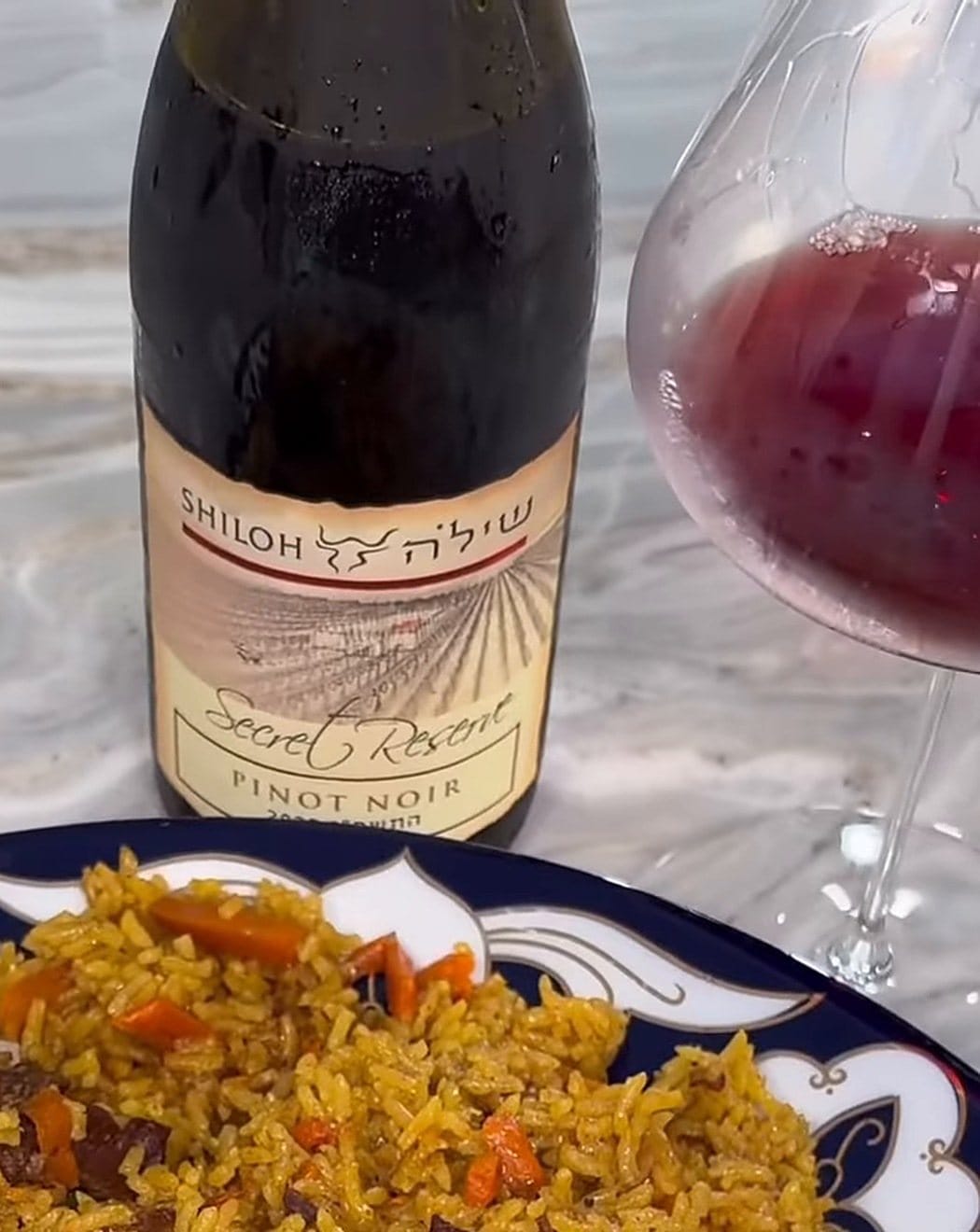
I pour Shiloh Secret Reserve Pinot Noir from Israel's Judean Hills. Its bright cherry fruit and crisp acidity cut through the rich meat fat, and its silky tannins won't clash with the cumin and garlic the way a heavy Cabernet can.
I grew up with Central Asian roots, and plov was the staple at every single celebration. Birthdays, weddings, Shabbat, holidays: if there was joy, there was a steaming kazan (the big, heavy plov pot) in the center of the room. It's rich, fragrant, soulful, and deeply comforting. It's childhood memories, family celebrations, and a little taste of home.
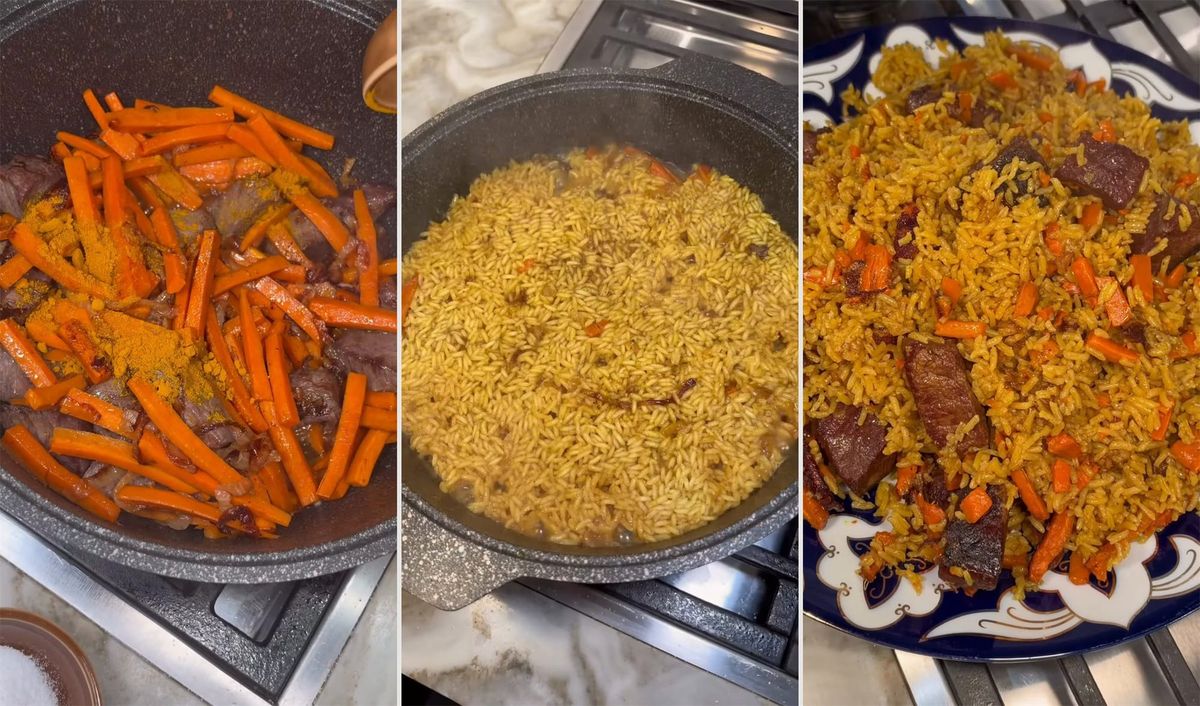
Learning the traditional secrets from the master chef (povar) of Zeravshan changed how I cook it forever. It showed me that a legendary plov comes down to precision, patience, and honoring the process. Fry in order: onions first, then the meat, then carrots cut like French fries. And rinse the basmati until the water runs crystal clear!
What Meat Is Best for Plov?
People ask me this all the time. Beef is my favorite, and a chuck roast is my top choice. Short ribs or brisket are wonderful too. Lamb is the classic, and you can even make it with chicken.
How Do You Make Plov Kosher?
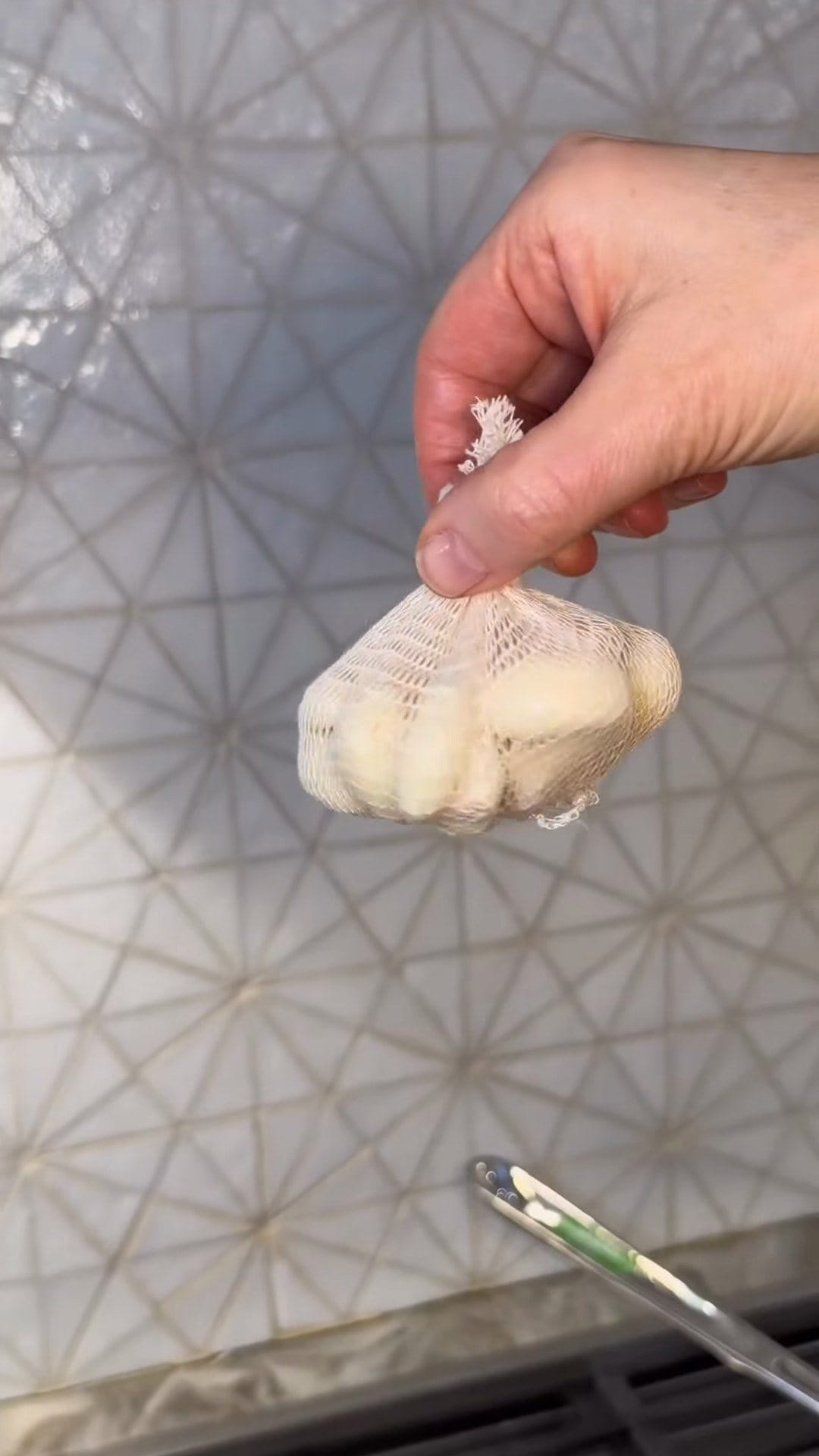
Traditionally, an unpeeled whole head of garlic is tucked into the center. But insects aren't kosher, and whole garlic heads can hide them. So my kosher solution is peeled, inspected garlic cloves in a small culinary net bag. Ask your rabbi how your community checks produce.
The bag steams right in the middle, and the cloves melt into sweet garlic butter that infuses every single grain of rice. Kosher, bug-free, and divine!
Plov is rich, savory, and heavily spice-infused. The heavy tannins (that drying grip on your gums) in a Cabernet can clash with cumin and garlic. Shiloh Secret Reserve Pinot Noir, from Israel's Judean Hills, brings silky elegance instead.
Its bright cherry fruit and crisp acidity (that mouth-watering freshness) cut straight through the rich meat fat. At the same time, it complements the sweet caramelized carrots and golden spices seamlessly.
What Wine Goes with Plov?
The pairing
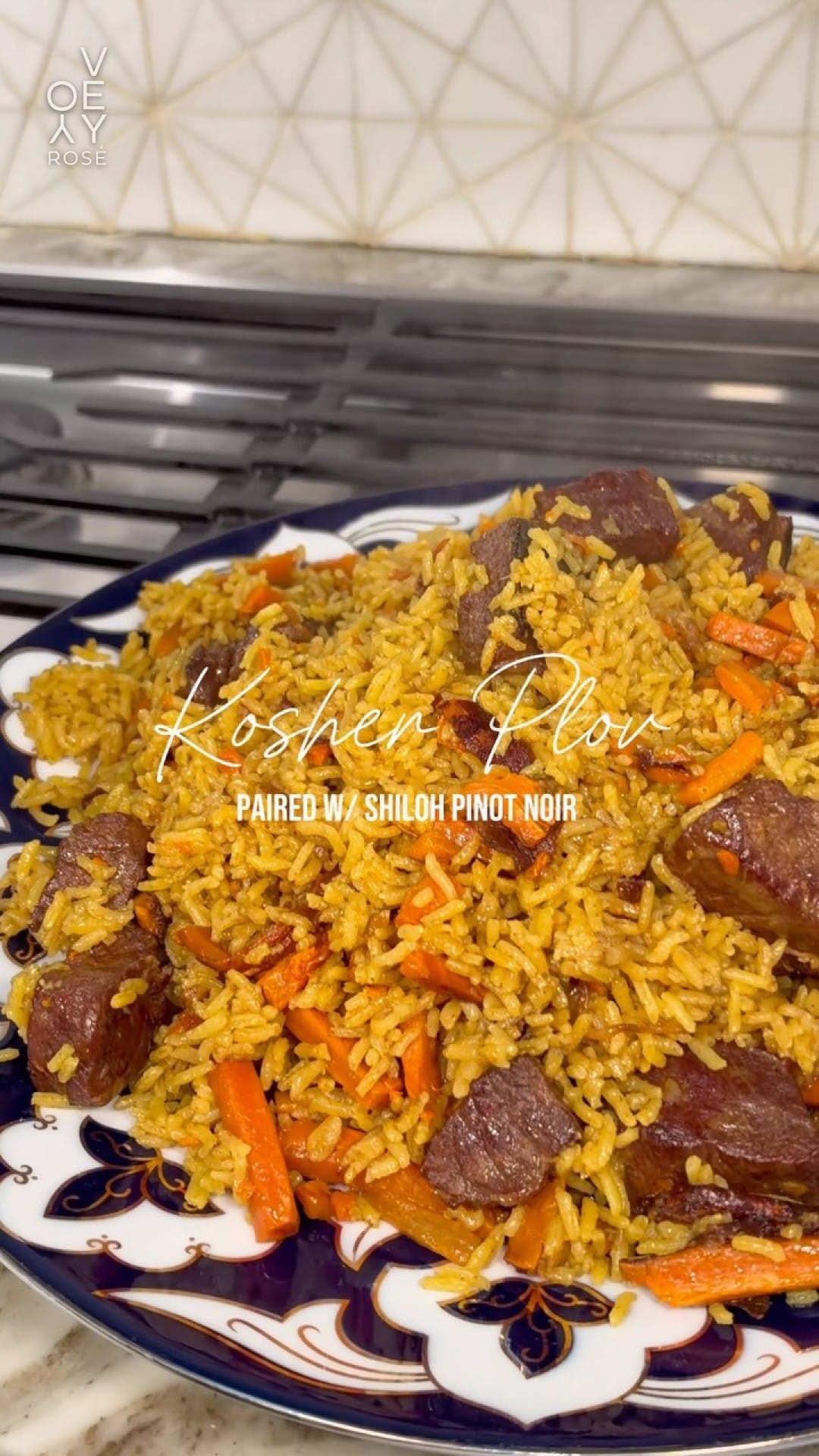
Zeravshan-style kosher plov&Shiloh Secret Reserve Pinot Noir
Bright cherry fruit and crisp acidity cut through the rich meat fat, while silky tannins stay friendly with the cumin, garlic and sweet carrots.
Tasting notes
2023 · Judean Hills, Israel
- Passover Kosher for Passover
- Look
- An elegant ruby red
- Nose
- Ripe red cherries and forest berries, then a soft touch of vanilla and a whiff of roasted coffee
- Taste
- Juicy, bright cherry fruit, crisp acidity and velvet-soft tannins
- Finish
- Bright and lively
- Pairs with
- Rich, spice-infused meat and rice dishes like plov, where a heavy Cabernet would fight the cumin and garlic
- Aciditymouth-watering freshnessFresh
- Tanninthat drying grip on your gumsSilky
In the kitchen
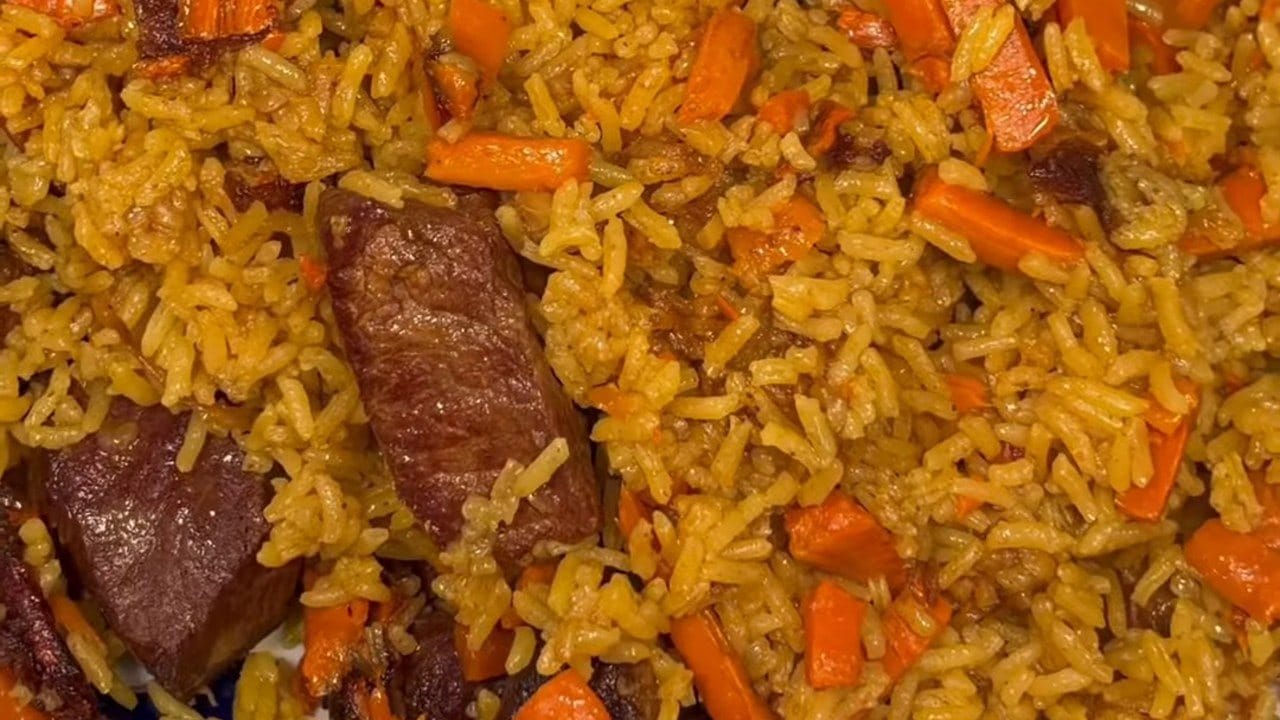
How to Make Zeravshan-Style Kosher Plov
Ingredients
- 2 lb meat: beef is best (chuck roast is my top choice; short ribs or brisket work too), or lamb, or even chicken
- 2 cups basmati rice
- A pinch of salt, for soaking the rice
- 2 lb carrots, cut into long, thick sticks, like French fries
- 2 large yellow onions, sliced
- 15 to 20 whole peeled garlic cloves, inspected and placed in a cooking net bag
- ½ cup oil or rendered kosher fat
- 1 tsp whole cumin (zra)
- 1 tsp ground coriander
- 1 tsp turmeric, for that gorgeous golden hue
- 2 Tbsp salt, for the zirvak (the broth)
- Hot water
Method
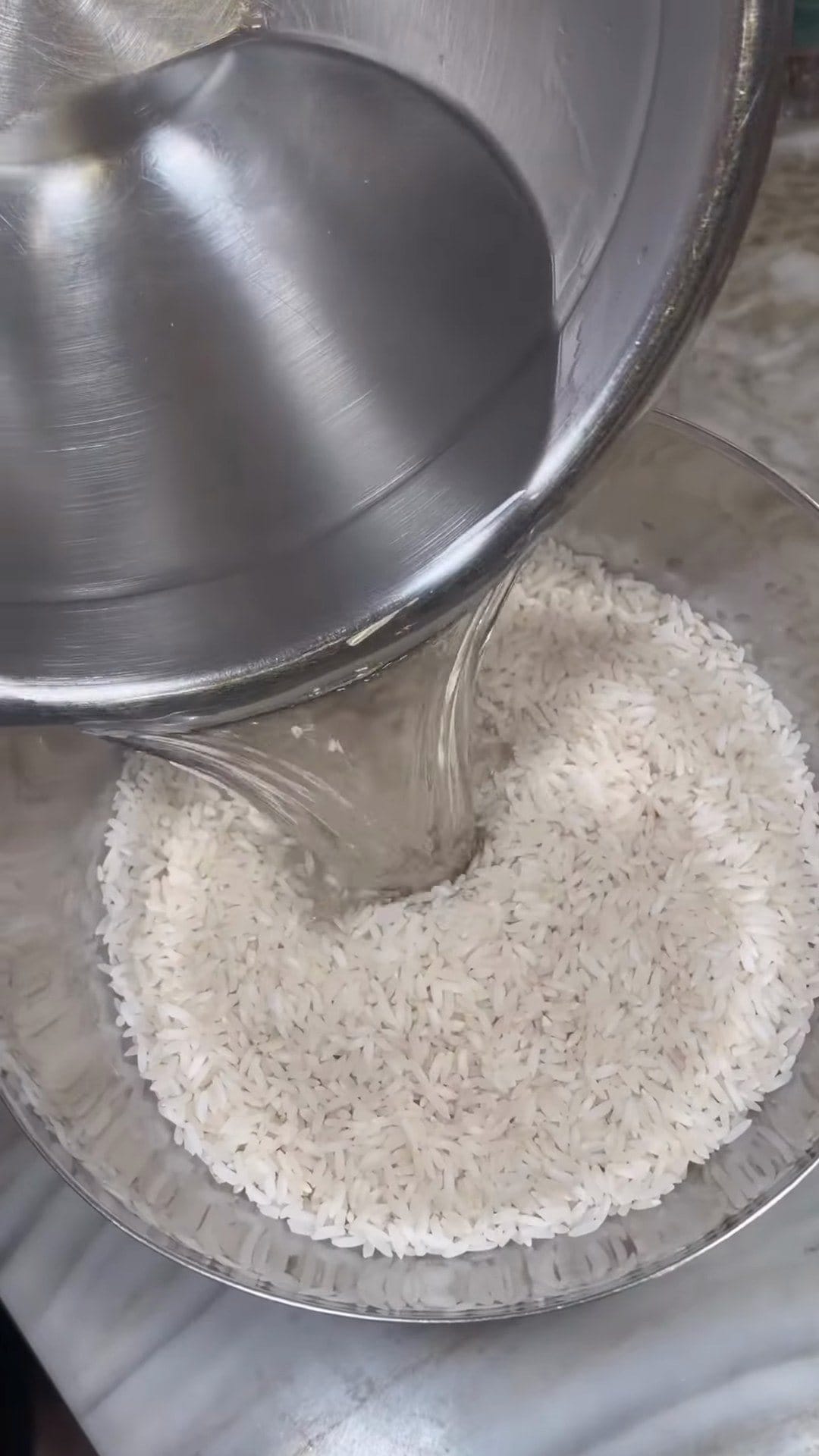
- Soak the rice. Soak the basmati in warm water with a pinch of salt.
- Rinse until clear. Wash the rice over and over again, until the water runs crystal clear on the final rinse. This gives you distinct, fluffy grains that never turn to mush.
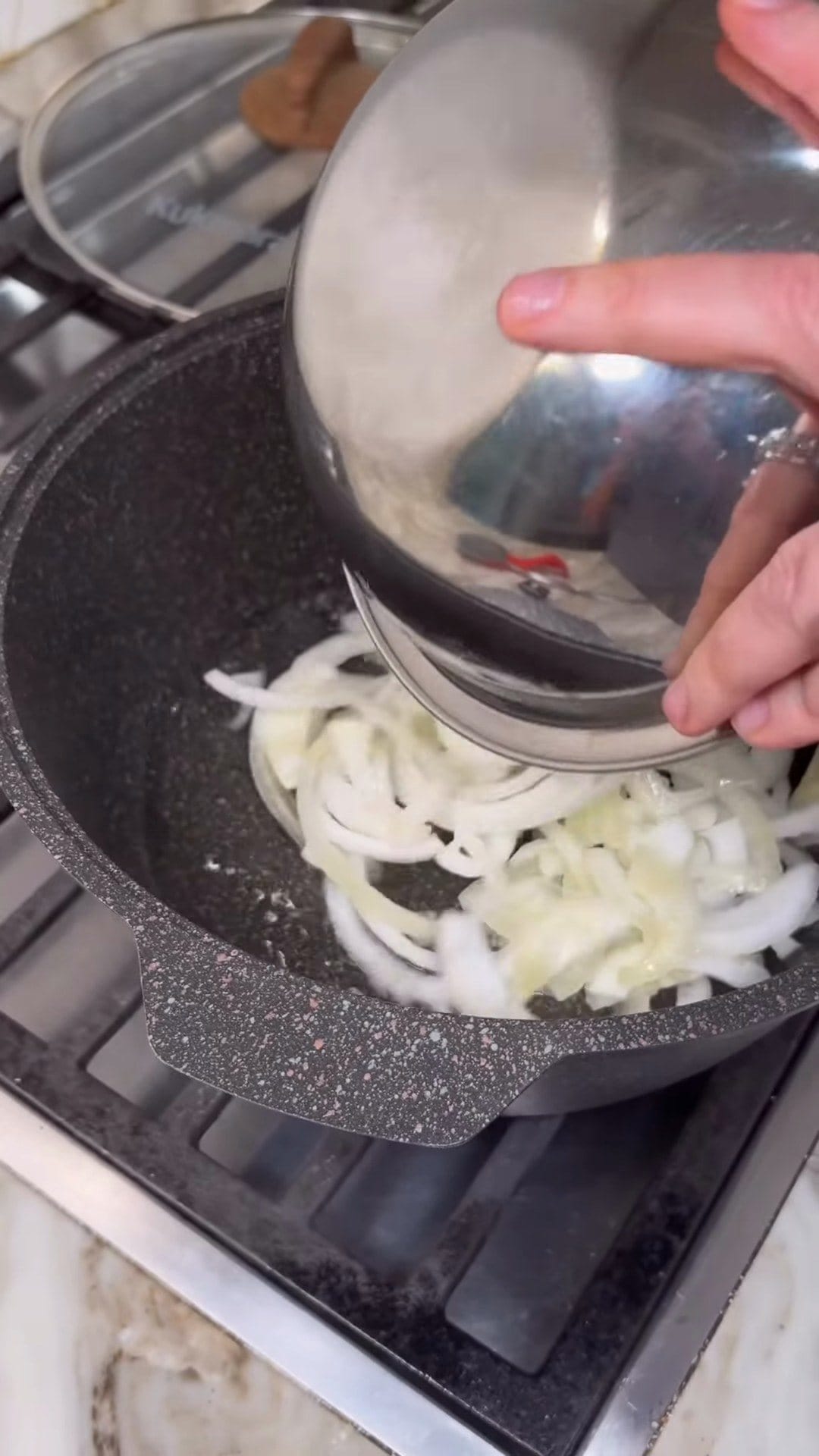
- Fry the onions. Heat the oil or fat in a heavy pot or kazan. Fry the onions until deeply caramelized and golden brown.
- Sear the meat. Add the meat and sear until rich and mahogany.
- Add the carrots. Add the carrot sticks and let them soften and sweeten in the fat.
- Build the zirvak. Add the cumin, coriander, turmeric, salt and your netted garlic bag. Pour in hot water to make the zirvak.
- Taste, then simmer. Taste the broth! It should taste intentionally salty at this stage, because the rice will absorb a tremendous amount of seasoning. Simmer for 30 minutes.
- Layer the rice. Spread the rinsed rice evenly over the top. Do not stir! Add hot water until it sits exactly 1 inch above the rice.
- Poke steam vents. Once the water cooks down to the rice line, poke steam vents through the rice all the way to the bottom.
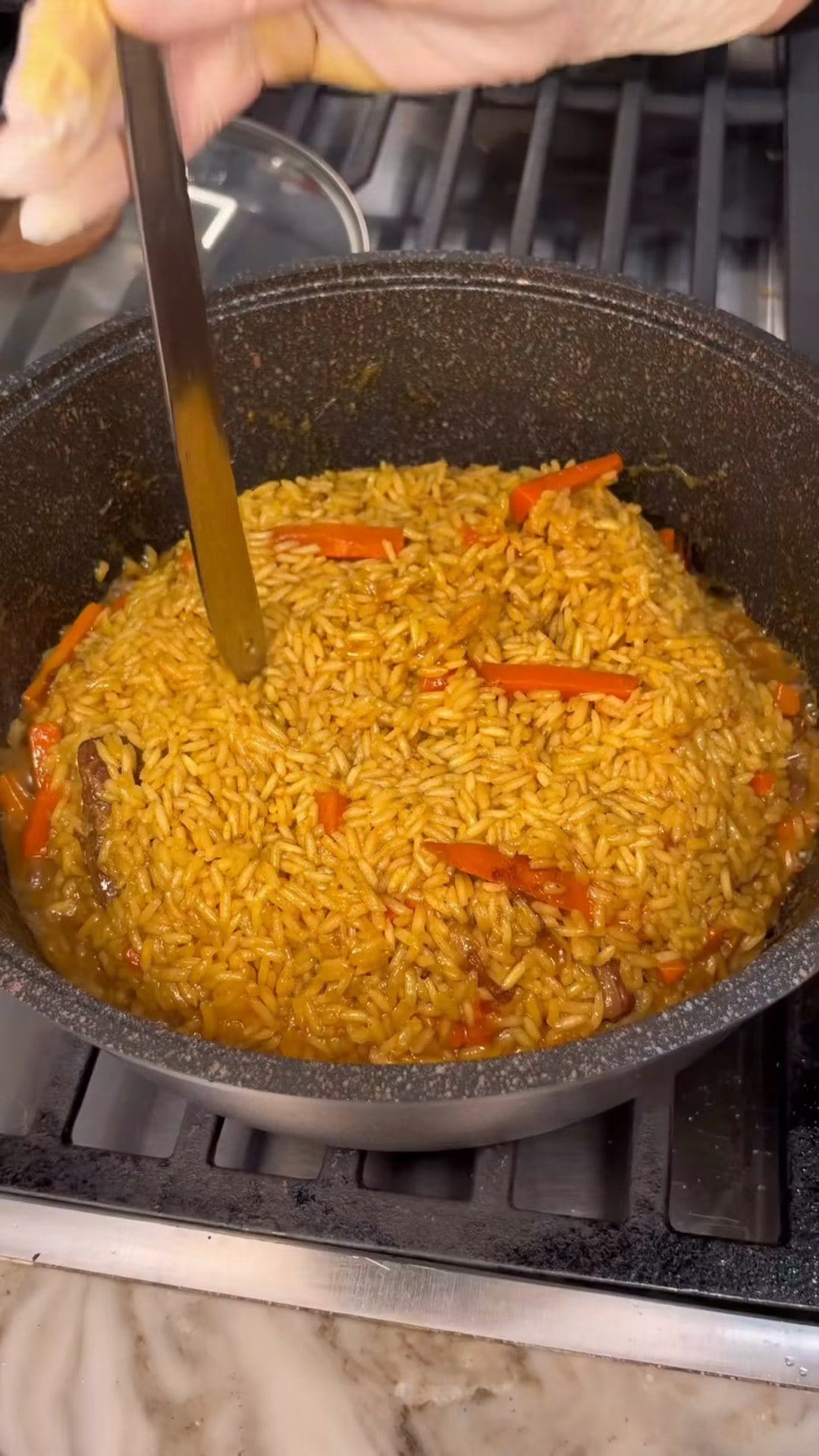
- Steam (dymlyama). Cover tightly with a towel-wrapped lid, turn the heat to ultra-low, and steam for 20 to 25 minutes.
- Serve. Fluff the golden rice, pull out the tender garlic, and pile it high on a big platter for a celebration!
Would you serve this for Shabbat or your next family celebration? Send it to someone who loves authentic Silk Road comfort food!
More from my childhood kitchen: Kosher Lagman, the Tashkent noodle stew, with Hajdu Grenache, and easy kosher meat samsa, another taste of Tashkent.
Upgrade your table. Cheers to the good life. L'Chaim!